
If you are sneezing, congested, and itchy-eyed, allergens are likely the cause, and they are not only outdoors. This guide covers the indoor and seasonal allergy triggers most common in the Naperville area, how to tell allergies from a cold, what allergy testing involves, and the difference between a food sensitivity and a true food allergy.
What Causes Indoor Allergies?
Many people are surprised that the worst allergy triggers in the home are year-round. Common indoor allergy triggers include:
• Dust mites in bedding, carpets, and upholstery
• Pet dander
• Mold in damp areas like bathrooms and basements
• Cockroach particles
• Pollen tracked indoors during allergy season
You can reduce indoor allergens by washing bedding in hot water, using allergen-proof covers, controlling humidity, vacuuming with a HEPA filter, and keeping windows closed during high-pollen days. MedlinePlus has more in its overview of allergy.
Seasonal Allergens in the Naperville Area
Outdoor seasonal allergens follow a predictable calendar: tree pollen in spring, grass pollen in late spring and summer, and ragweed in late summer and fall. Mold spores spike in damp weather. Knowing your season helps you start seasonal allergy relief before symptoms peak.
Reducing Allergens Room by Room
Cutting down on indoor allergy triggers is one of the most effective ways to feel better, and it's largely about consistency in the rooms where you spend the most time. In the bedroom — where you spend roughly a third of your day wash bedding weekly in hot water, use allergen-proof covers on pillows and mattresses, and keep pets off the bed. In living areas, vacuum upholstery and carpets regularly with a HEPA filter and dust with a damp cloth so particles aren't just scattered back into the air. In bathrooms and basements, control moisture and fix leaks promptly to discourage mold, and run a dehumidifier in damp spaces. Learning how to reduce indoor allergens room by room turns a vague goal into a simple routine that genuinely lowers your exposure.
Seasonal Allergy Relief Options
When seasonal allergens peak, a few strategies bring real relief. Start treatment early before the season hits full force, since it's far easier to stay ahead of symptoms than to chase them. Limit time outdoors on high-pollen, windy days, shower and change clothes after being outside to rinse off pollen, and keep windows closed during peak season, using air conditioning instead. Over-the-counter antihistamines, nasal sprays, and saline rinses help many people, and for persistent or severe symptoms, a provider can recommend stronger options or testing. Seasonal allergy relief in Naperville is very achievable with the right combination of avoidance and treatment tailored to your specific triggers.
Cold vs. Allergies: How to Tell the Difference
It is easy to confuse the two, but a few clues help:
• Allergies bring itchy eyes and nose, clear runny discharge, and symptoms that persist as long as you're exposed, but never a fever.
• A cold often includes body aches, sometimes a low fever, thicker discharge, and clears within about a week.
If symptoms drag on for weeks and itch, allergies are the more likely culprit.
What to Expect at an Allergy Testing Appointment
If you are not sure what is triggering you, allergy testing can identify specific allergens. Skin-prick testing exposes the skin to tiny amounts of common allergens and looks for a small reaction, while blood testing can be used in some cases. Results help guide targeted treatment rather than guesswork.
When Allergy Symptoms Need Medical Care
Mild allergies often respond to avoidance and over-the-counter remedies, but some situations call for professional help. If your symptoms last for weeks, disrupt your sleep or daily life, don't respond to over-the-counter options, or come with wheezing or shortness of breath, it's worth getting evaluated. Severe allergic reactions, such as significant swelling, trouble breathing, or a whole-body reaction, are emergencies that need immediate care. For everyone else, a provider can confirm exactly what's triggering you and build a targeted plan, which is far more effective than cycling through remedies and hoping something works. Allergy testing in Naperville is a straightforward way to replace guesswork with answers.
Food Sensitivity vs. Food Allergy
These are not the same. A food allergy involves the immune system and can cause rapid, sometimes serious reactions (hives, swelling, or trouble breathing). A food sensitivity or intolerance, like lactose intolerance, typically causes digestive discomfort and is not life-threatening. If you have ever had a severe reaction to a food, that is a medical issue worth evaluating promptly.
Get Allergy Relief in Naperville
Tired of guessing what's triggering you? Our Naperville clinic can help you find relief, and in-house lab testing can support an evaluation. Book an appointment to get started. You may also like our guides to sinus infections and when to see a doctor, and the benefits of telehealth visits.
Call us at (877) 885-8784 to schedule your session or learn more.
Follow us on Facebook and Instagram for wellness tips, exclusive offers, and updates on our latest treatments!
FAQs
What are the most common indoor allergy triggers?
Dust mites, pet dander, mold, cockroach particles, and pollen are carried indoors.
How can I tell a cold from allergies?
Allergies itch, produce clear discharge, never cause fever, and persist with exposure; colds bring aches, sometimes fever, and resolve within a week.
What's the difference between a food allergy and a sensitivity?
A food allergy is an immune reaction that can be serious; a sensitivity usually causes digestive discomfort and isn't life-threatening.
How do I reduce indoor allergens at home?
Wash bedding in hot water, use allergen-proof covers, vacuum with a HEPA filter, control humidity to limit mold, and keep windows closed on high-pollen days.
When should I get allergy testing?
Consider testing if symptoms persist, disrupt daily life, don't respond to over-the-counter remedies, or you're unsure what's triggering you — it guides targeted treatment.
Related Articles

Why You Still Need an Annual Physical (Even If You Feel Healthy)
It’s easy to skip a routine checkup when you feel perfectly fine, but an annual physical is the single most valuable tool for your long-term health. Many silent conditions, like high blood pressure and prediabetes, develop with zero symptoms. Discover exactly what is included in a typical yearly exam, how to prepare for your visit, and how proactive screening keeps you a step ahead.
Read More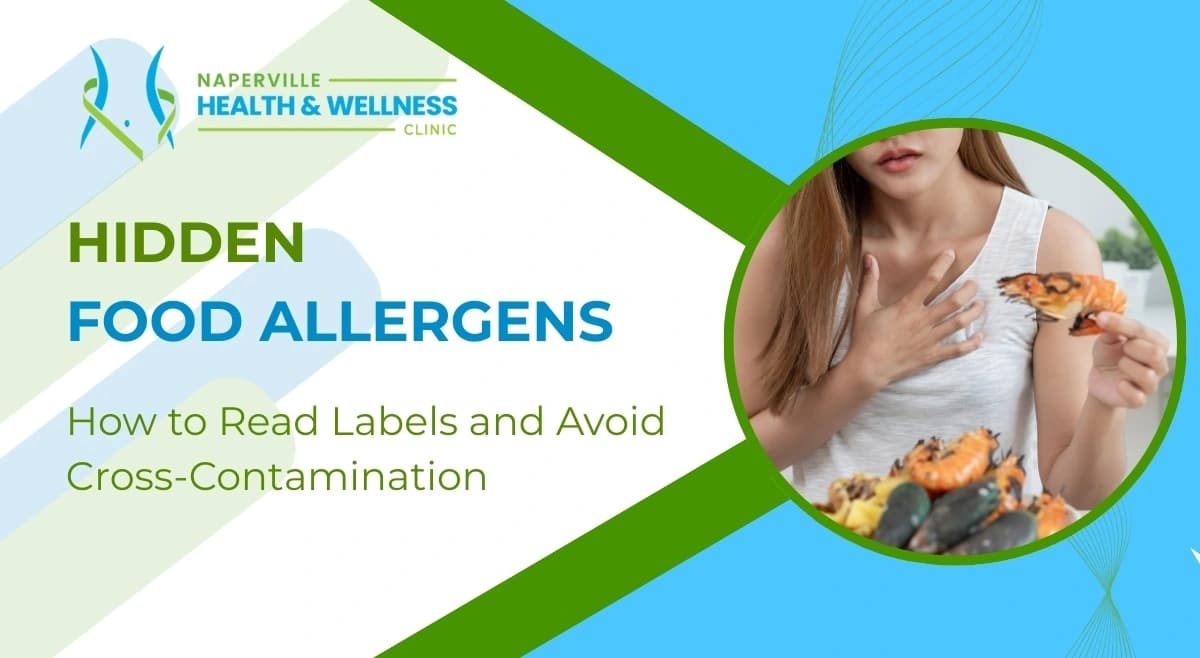
Food Sensitivity vs. Food Allergy: Understanding the Key Differences
Not sure if it’s a food allergy or a food sensitivity? Learn the key differences in symptoms, timing, severity, and testing and when to seek care in Naperville.
Read More
What to Expect at an Allergy Testing Appointment
Not sure what happens during allergy testing? This guide explains how to prepare (including antihistamine timing), the most common test types (skin prick, intradermal, blood IgE, and patch testing), and how to understand your results so you can build a clear plan in Naperville.
Read MoreReady to Take the Next Step?
From medical weight loss and semaglutide to IV infusions and aesthetic treatments, our Naperville clinic offers a full range of health and wellness services built around your goals.