
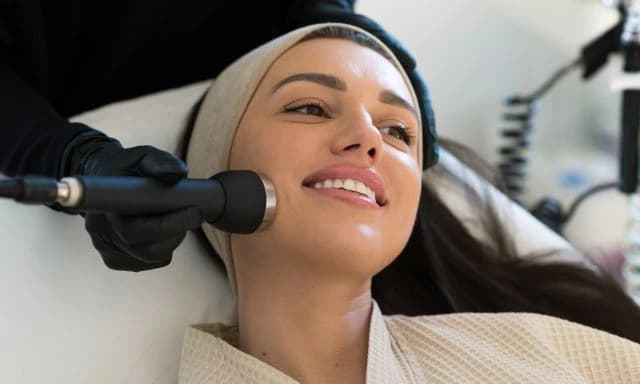
Hyperpigmentation & Dark Spot Treatment in Naperville, IL
Brighten dark spots and even out skin tone.
Hyperpigmentation and dark spot treatment uses targeted laser and light-based energy to help break up excess pigment in the skin, aiming to soften sun spots, age spots, and areas of uneven tone on the face and decolletage. This is a cosmetic treatment meant to improve the appearance of the skin, not a cure for any medical condition, and results vary from person to person. In our Naperville med-spa, treatment plans are tailored to your skin type and pigment concern, most often as a series of sessions paired with diligent daily sun protection.
Part of our medical aesthetics services. Package pricing is based on a series of sessions unless noted, and your exact plan is confirmed at a consultation. Members save 15% with our Wellness Membership.
How laser and light treatment for pigment works
Dark spots form when the skin produces extra melanin, the pigment that gives skin its color, often in response to sun exposure, inflammation, or hormonal shifts. Laser and light-based devices deliver controlled wavelengths of energy that are preferentially absorbed by that concentrated pigment. The energy can help fragment the pigment so the body can gradually clear it, which may leave the surrounding skin looking more even over time. Different devices target pigment in different ways. Q-switched and picosecond lasers can help address discrete surface spots, while non-ablative fractional lasers and intense pulsed light can help improve broader zones of uneven tone. The right choice depends on the type of pigment, its depth, and your skin type, which is why a personal consultation matters before any device is used.
What it can help treat
This treatment is often used to help soften the look of sun spots and age spots, freckling from cumulative sun exposure, and post-inflammatory marks left behind after breakouts or minor skin injuries. Many people also seek it for general uneven tone and dullness on the cheeks, forehead, or chest. Surface pigment concerns tend to respond more predictably than pigment that sits deeper in the skin. Melasma is a special case. It is a stubborn, often hormonally influenced form of pigmentation that can be worsened, not improved, by aggressive light or heat, and it commonly recurs even after it fades. When melasma is involved, dermatologists typically consider laser and light options cautiously and at low energy settings, usually as a secondary approach alongside topical care and strict sun protection rather than a first step. We will tell you honestly if your pigment pattern suggests melasma and adjust the plan accordingly.
What to expect: sessions, downtime, and aftercare
Most people need a series of sessions rather than a single visit, and the exact number varies with the device used and the amount of pigment being addressed. Treatment areas can range from a targeted spot to a half face, full face, or the decolletage. During treatment you may feel a warm snapping sensation, and afterward the skin can look pink or flushed. Treated spots often darken temporarily before they flake or fade over the following days to weeks. Downtime is typically limited, and many people return to routine activities quickly, though this depends on the device and how you heal. Aftercare usually centers on gentle cleansing, moisturizing, avoiding picking at any flaking, and, most importantly, protecting the area from the sun. A broad-spectrum sunscreen of at least SPF 30, reapplied regularly, plus hats and shade, is essential during healing and beyond to help protect your results. We will give you specific aftercare guidance for your treatment.
Results and what is realistic
Many people see gradual lightening of surface pigment over a series of sessions, but results vary and no outcome can be guaranteed. Some spots respond well while others fade only partially, and deeper or hormonally driven pigment tends to be more resistant. Improvement usually appears over weeks to months rather than immediately, and maintenance sessions may be recommended to sustain the appearance. It is also important to understand that treatment does not stop new pigment from forming. Ongoing sun exposure can bring spots back or create new ones, which is why daily sun protection is not optional if you want to hold your results. For melasma in particular, recurrence is common, and the goal is realistic improvement and management rather than a permanent fix.
Why sun protection is central to your outcome
Sunlight prompts the skin to make more pigment, so unprotected exposure both drives the spots you are trying to treat and undermines the improvement you gain. Consistent daily use of a broad-spectrum sunscreen, along with protective clothing and wide-brimmed hats, is one of the most important things you can do before, during, and after a treatment series. Sun protection also reduces the risk of a treatment-related complication called post-inflammatory hyperpigmentation, where the skin darkens in response to the treatment itself. This risk can be higher in richer skin tones and with more aggressive settings, which is another reason we prioritize appropriate device selection, conservative energy levels where indicated, and strict photoprotection as part of every plan.
Is Hyperpigmentation & Dark Spot Treatment Right for You?
Often a Good Fit
• Generally healthy adults bothered by sun spots, age spots, or freckling from sun exposure
• People with surface-level uneven tone on the face or decolletage they want to soften
• Those with post-inflammatory marks left after breakouts or minor skin injuries have fully healed
• People willing to commit to a series of sessions rather than expecting one-visit results
• Anyone ready to use daily broad-spectrum sun protection to help maintain results
• People with realistic expectations who understand improvement is gradual and varies
Not Recommended For
• Anyone with an active infection, open wound, sunburn, or breakout in the treatment area
• People who are pregnant or breastfeeding, unless cleared and deferred until later
• Those with a history of keloids or raised, thickened scarring
• Anyone who has recently taken isotretinoin or certain photosensitizing medications
• People with a very recent tan or ongoing unprotected sun exposure they are unwilling to change
• Anyone seeking a permanent guarantee, especially with melasma, which is stubborn and can recur
Hyperpigmentation & Dark Spot Treatment Pricing in Naperville
Transparent, area-based pricing. Add a single session or a package to your cart, or book a free consultation for a personalized plan.
Half Face Hyperpigmentation
Reduce dark spots on half face
Varies
Treatment Areas:
- Half face
Key Benefits:
- Brighter tone
- Lighter spots
- Even complexion
* Add-ons or advanced lab testing charged separately if required
Full Face Hyperpigmentation
Even skin tone across full face
Varies
Treatment Areas:
- Full face
Key Benefits:
- Brighter tone
- Lighter spots
- Even complexion
* Add-ons or advanced lab testing charged separately if required
Decolletage Hyperpigmentation
Brighten chest area
Varies
Treatment Areas:
- Chest
Key Benefits:
- Brighter tone
- Lighter spots
- Even complexion
* Add-ons or advanced lab testing charged separately if required
Prices match our current price list and are confirmed at your consultation. Members save 15% with our Wellness Membership.
Hyperpigmentation & Dark Spot Treatment: Frequently Asked Questions
Does laser treatment permanently remove dark spots?
It may significantly soften many surface spots, but it does not stop your skin from making new pigment. Ongoing sun exposure can bring spots back or create new ones, so results vary and maintenance sessions plus daily sun protection are typically needed to hold improvement. No outcome can be guaranteed.
How many sessions will I need?
Most people need a series of sessions rather than a single visit, and the number depends on the device used, the type and amount of pigment, and how your skin responds. We will estimate a range for you at consultation, but individual results vary.
Can this treat my melasma?
Melasma is stubborn, often hormonally influenced, and can recur even after it fades. It can sometimes worsen with aggressive light or heat, so dermatologists typically approach it cautiously and at low energy as part of a broader plan that includes topical care and strict sun protection. We will be honest about what is realistic and may recommend a conservative approach or alternatives.
Is there downtime?
Downtime is typically limited, and many people return to routine activities quickly, though this depends on the device and how you heal. Treated spots often look darker at first and then flake or fade over days to weeks, and the skin can appear pink or flushed initially.
Will treatment work on all skin tones?
Suitability depends on your skin type. Richer skin tones can carry a higher risk of a treatment-related darkening called post-inflammatory hyperpigmentation, so device selection and conservative settings matter. We assess your skin type carefully and may recommend gentler options or a test area first.
Why do I have to be so strict about sunscreen?
Sunlight prompts the skin to make more pigment, which both causes the spots you are treating and can undo your progress. Consistent broad-spectrum sunscreen of at least SPF 30, reapplied regularly, along with hats and shade, helps protect your results and lowers the risk of new or returning pigment.
References
- 1.Melasma: Diagnosis and TreatmentAmerican Academy of Dermatology
- 2.How to Fade Dark Spots in Darker Skin TonesAmerican Academy of Dermatology
- 3.Fractional Laser TreatmentDermNet
- 4.
Ready to Get Started?
Book a free consultation and our clinicians will assess your skin and build a personalized plan for you.
Medically reviewed by Dawn Bergin, FNP-BC. Published March 2026, last reviewed July 2026. Editorial policy.