Microneedling in Naperville, IL
Clinician-performed microneedling to help smooth texture, soften the look of acne scars, and refresh your skin — by stimulating your own collagen. Personalized plans; book a free consultation.
What Microneedling Is — and How It Works
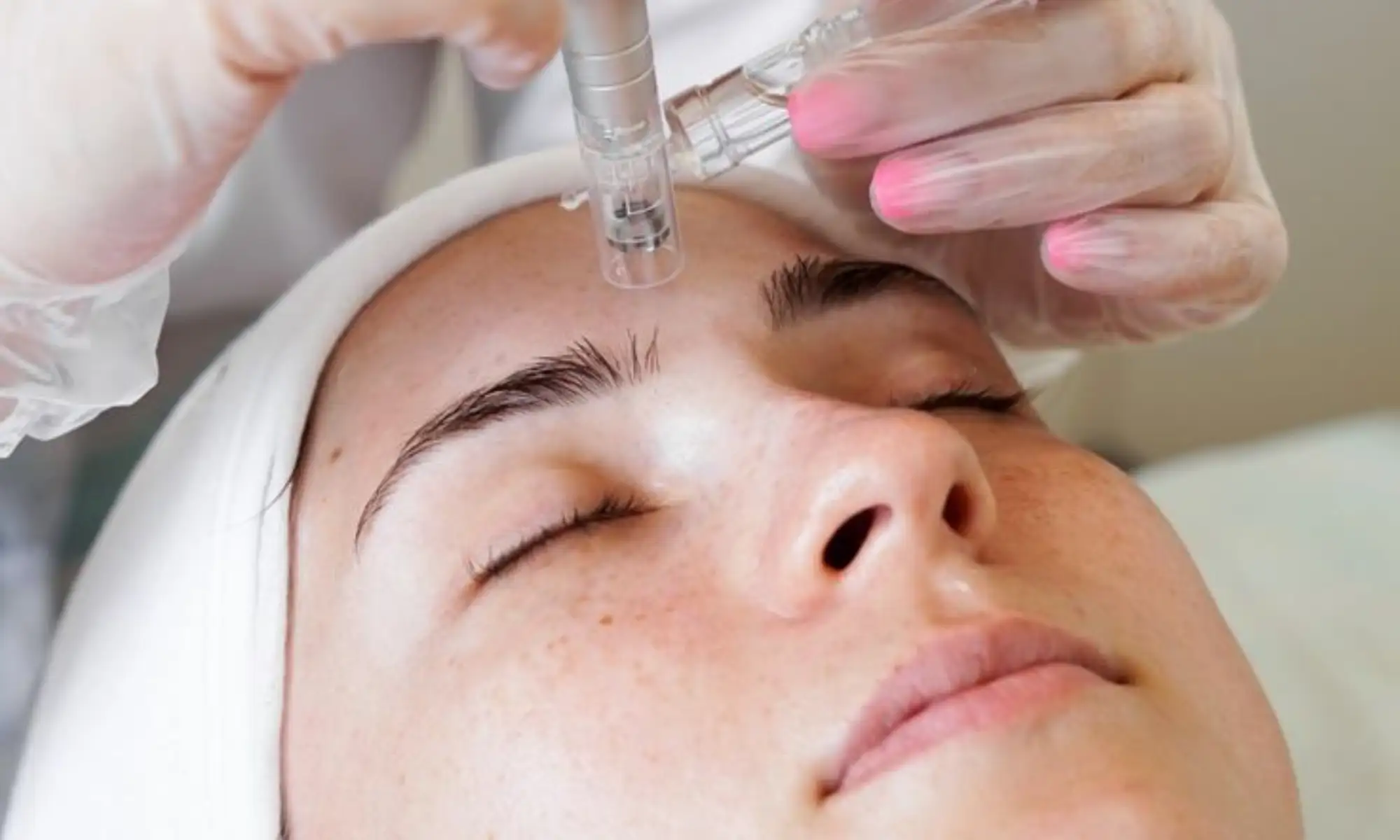
Microneedling, also known as collagen induction therapy, is a minimally invasive treatment that uses a device with fine, sterile needles to create tiny, controlled micro-channels in the surface of the skin. Those micro-injuries are small enough to heal quickly but are enough to trigger your skin's natural repair response — prompting the production of new collagen and elastin, the proteins that keep skin firm and smooth.
Because it works with your body's own healing process, microneedling is a gradual treatment: improvement builds over the weeks after each session as new collagen forms. At Naperville Health & Wellness Clinic it is performed by trained clinicians as part of your broader aesthetic care.
What Microneedling Can Help With
Overall skin rejuvenation and a smoother, more even texture
The appearance of atrophic (depressed) acne scars
Enlarged pores and rough or uneven skin tone
Fine lines and early signs of aging
A refreshed, healthy-looking glow as collagen rebuilds
Microneedling is a cosmetic treatment to improve the look and texture of skin — not a treatment or cure for any medical condition. Results vary from person to person and typically require a series of sessions.
What the Evidence Shows
Microneedling is a well-established dermatologic procedure, and the evidence is strongest for improving the appearance of atrophic acne scars and skin texture. As with most cosmetic treatments, study quality varies and outcomes differ between individuals — so we set realistic expectations rather than promise a specific result. Many people see the best improvement from a planned series combined with good skincare and sun protection.
Your clinician will review your skin, your goals, and your history to tell you honestly whether microneedling is likely to help you and what a reasonable plan looks like.
What to Expect: Sessions, Comfort, and Downtime
A topical numbing cream is applied first, so most people tolerate the treatment comfortably. A typical plan is about 3–6 sessions spaced roughly 4 weeks apart, because collagen keeps remodeling between visits. Afterward it is normal for skin to look pink or flushed — similar to a mild sunburn — for a day or two, sometimes with mild swelling or dryness.
Most people return to their normal routine quickly. We'll give you clear aftercare instructions, including diligent sun protection and gentle skincare while your skin recovers. Contact us if you have anything unusual such as increasing pain, spreading redness, or signs of infection.
Is Microneedling Right for You?
Often a Good Fit
• Generally healthy adults looking to improve skin texture or tone
• Those bothered by the appearance of acne scars, pores, or fine lines
• Patients who prefer a minimally invasive, gradual approach
• People able to commit to a short series of sessions and sun protection
• Anyone cleared by a clinician after a skin evaluation
Not Recommended For
• Active skin infection or an active acne breakout in the treatment area
• A personal history of keloid (raised) scarring
• Certain skin or bleeding/clotting conditions
• Pregnancy
• Recent use of certain medications (e.g. oral isotretinoin) — tell us at your visit
Microneedling vs. Sinclair V30 (RF Microneedling)
Traditional microneedling stimulates collagen mechanically through the micro-channels the needles create. Our Sinclair V30 takes this a step further by delivering radiofrequency energy through the needles to heat the deeper layers of the skin for additional tightening. Neither option is universally "better" — the right choice depends on your skin and goals, and your clinician can help you decide at your consultation.
Microneedling — Frequently Asked Questions
What is microneedling?
Microneedling — also called collagen induction therapy — is a minimally invasive treatment that uses a device with fine, sterile needles to create tiny, controlled micro-channels in the skin. These micro-injuries prompt your skin's natural repair response, which stimulates new collagen and elastin over the following weeks. At our Naperville clinic it is performed by trained clinicians and is used to help improve skin texture, fine lines, enlarged pores, and the appearance of certain scars.
What does microneedling help with?
Patients most commonly choose microneedling for overall skin rejuvenation, uneven texture and tone, enlarged pores, fine lines, and the appearance of atrophic (depressed) acne scars. It is best thought of as a gradual, collagen-building treatment rather than a quick fix — improvements develop over weeks as the skin remodels, and results vary from person to person based on skin type, concern, and the number of sessions.
How many sessions will I need, and how often?
Microneedling is typically done as a series — often about 3 to 6 sessions spaced roughly 4 weeks apart — because collagen continues to remodel between visits. Your exact plan depends on your skin and goals and is set by your clinician at your consultation. Maintenance sessions are sometimes recommended to sustain results.
Does microneedling hurt, and is there downtime?
A topical numbing cream is applied beforehand, so most people tolerate the treatment well. Afterward it is normal for skin to look pink or flushed — similar to a mild sunburn — for a day or two, sometimes with mild swelling or dryness. Most people return to their normal routine quickly. We provide aftercare guidance, including diligent sun protection and gentle skincare while your skin recovers.
Who is not a good candidate for microneedling?
Microneedling may not be appropriate if you have an active skin infection or an active acne breakout in the treatment area, a history of keloid (raised) scarring, certain skin or clotting conditions, or if you are pregnant, or taking certain medications (for example, recent oral isotretinoin). We screen for these factors at your consultation, and final suitability is always determined by your clinician.
How is microneedling different from Sinclair V30 (RF microneedling)?
Traditional microneedling stimulates collagen mechanically through the micro-channels the needles create. Our Sinclair V30 adds radiofrequency (RF) energy delivered through the needles, which heats the deeper layers of the skin for additional tightening. Neither is universally 'better' — your clinician can help you choose the option that best fits your skin and goals.
How much does microneedling cost at your Naperville clinic?
Pricing depends on the treatment area, the number of sessions in your plan, and whether it is combined with add-ons such as growth-factor serums. Because it is tailored to you, we quote it at your consultation. Book a free consultation for a personalized plan and price, and note that members save 15% with our Wellness Membership. Call (877) 885-8784.
Medically reviewed by Dawn Bergin, FNP-BC. Last reviewed July 2026. Editorial policy.
References
- 1.
- 2.Microneedling in the treatment of atrophic scars: A systematic review of randomised controlled trialsInternational Wound Journal / PubMed (NIH)
- 3.
- 4.Microneedling can fade scars, uneven skin tone, and moreAmerican Academy of Dermatology
Ready to Refresh Your Skin?
Book a free consultation and our clinicians will assess your skin and build a personalized microneedling plan — with transparent, consultation-based pricing. Members save 15% with our Wellness Membership.
Medically reviewed by Dawn Bergin, FNP-BC. Last reviewed July 2026. Editorial policy.